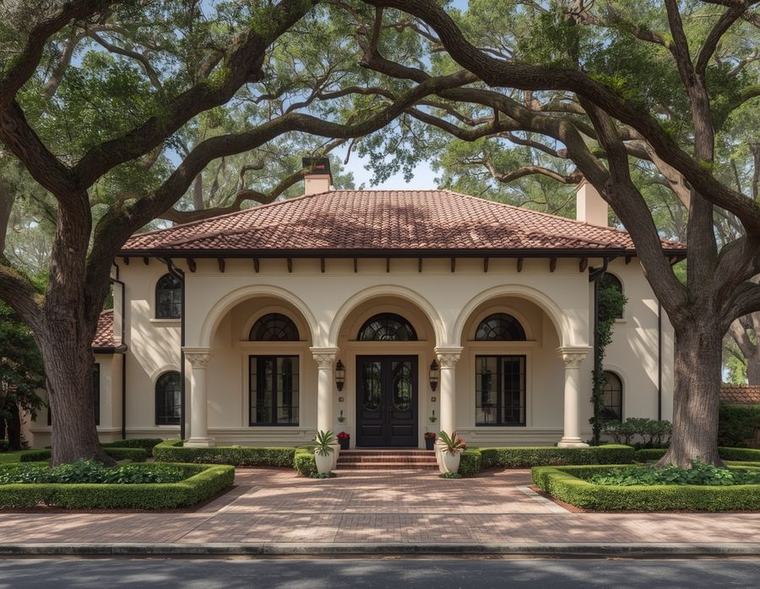
$4,375,000
1908 S Fielding Ave · Hyde Park
Sash restored rather than replaced; the review file went with the sale.
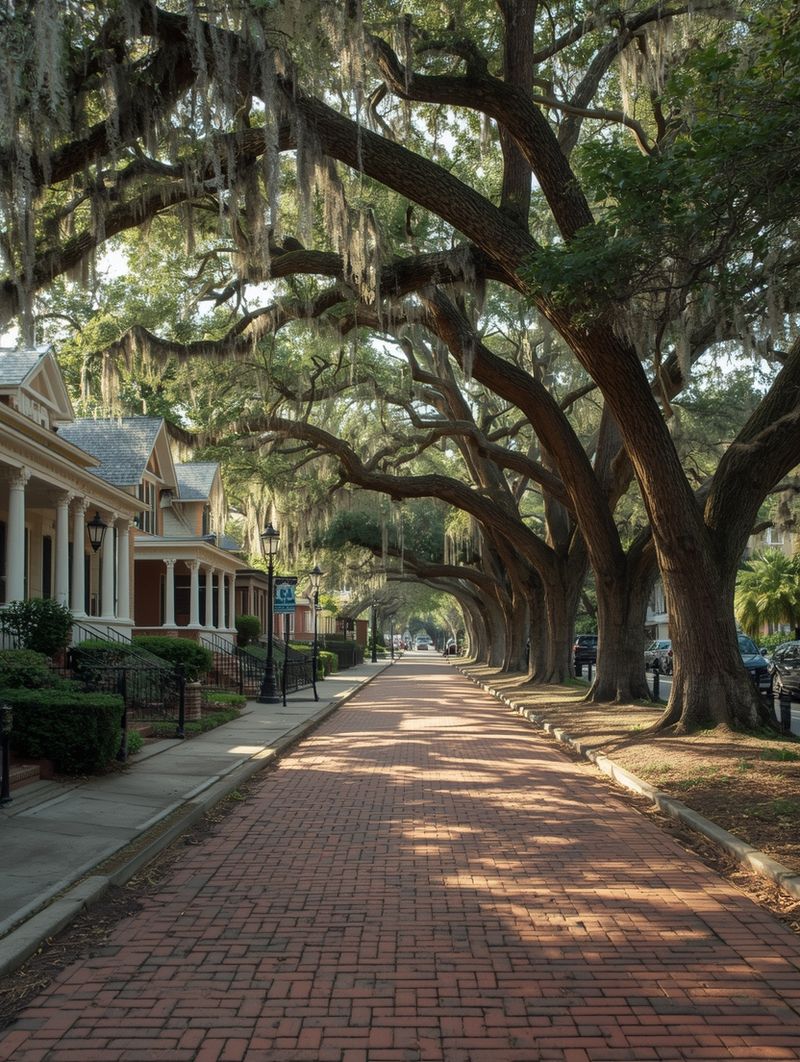
Tampa's oldest intact residential quarter: brick streets, live oaks meeting overhead, and a hundred years of building decisions you are buying along with the house.
The neighborhood went up between roughly 1900 and 1930, largely on a grid of hexagonal-block brick paving that the city has kept rather than asphalted over. The bricks are not decoration. They slow traffic to a crawl, they are the reason the streets feel narrower than they measure, and they are also why a utility trench takes three times as long to close here as it does two miles north.
Architecturally it is the most varied square mile we work. Frame vernacular and craftsman bungalows on the smaller lots; substantial Colonial Revivals and Georgian houses on the corners; Mediterranean Revival from the 1920s boom; and a scattering of good infill from the last decade, most of it obliged to look backwards. Lot sizes are modest by estate standards, which means the money at the top of this market goes into quality and provenance rather than acreage. A perfectly restored 5,000 square foot house on a fifth of an acre can trade well above a larger, newer house elsewhere.
The historic district designation is the governing fact. Exterior work visible from the street — windows, roofline, porches, fenestration, additions, in many cases even paint schemes and fencing — goes before architectural review. Interiors are generally your own business. In practice this means the ambitious plan a buyer sketches on the drive home usually returns from review smaller, set further back, and detailed differently. It is not obstruction; it is the mechanism that has kept the streetscape worth paying for. But it belongs in the budget and the timeline before the offer, not after.
Renovation costs run high here for reasons that compound. Original wood windows must usually be repaired rather than replaced, and competent sash restoration is specialist work. Roof geometry is complicated and often original in shape if not material. Wiring behind plaster is a discovery process. Foundations are frequently pier-and-beam, which is a blessing for access and a nuisance for levelling. Add a review cycle to anything visible and a straightforward kitchen-and-primary project turns into fourteen months. Camille's rule of thumb, which has held on eleven files, is that a sympathetic full renovation of a 1920s house here costs about a third more per foot than the equivalent work on a 1990s house in Beach Park, and takes about twice as long.
What you get for it is a neighborhood that does not change. Hyde Park Village sits at the centre with its restaurants and shops, the university and Bayshore are both a short walk, and the streets themselves — brick, shaded, largely uninterrupted — are the reason values here have never needed a story. Days on market run longer than our waterfront files, for the reasons set out on the market page; the buyer pool is narrower and more careful, and it should be.
Before you offer
From the book
$4,375,000
1908 S Fielding Ave · Hyde Park
Sash restored rather than replaced; the review file went with the sale.
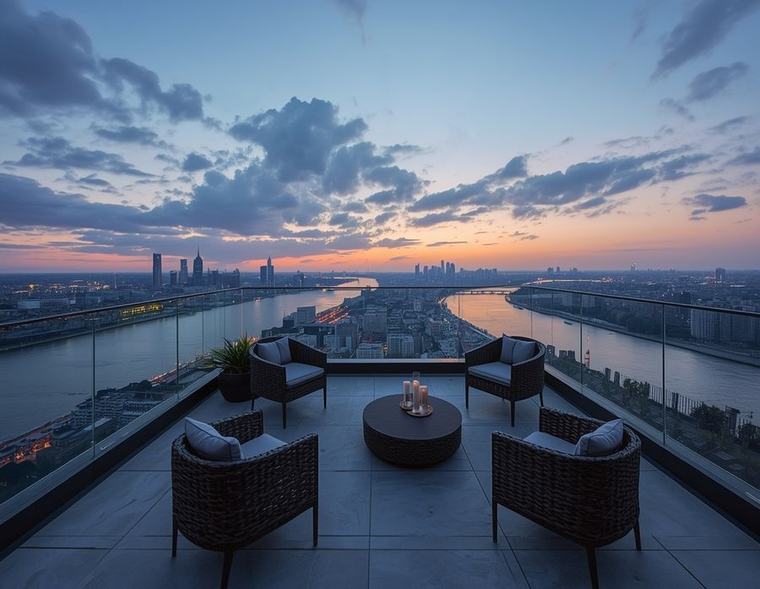
$3,850,000
Ashford Tower, PH2 · Downtown
Where Hyde Park sellers go when the house becomes too much. Enquire